01
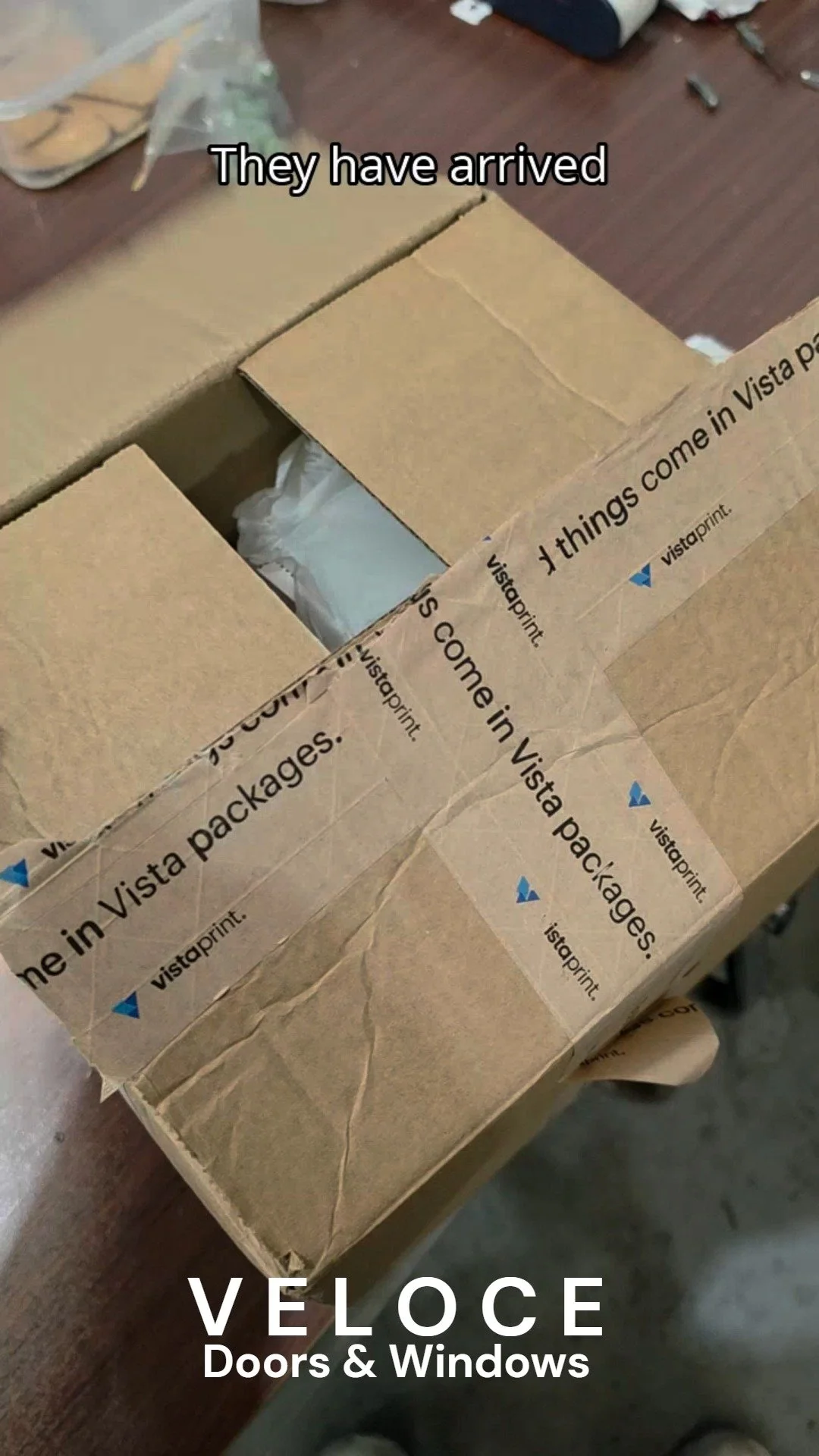
Steel cages can hide freight damage
Imported windows commonly arrive grouped inside steel transport cages, often with protective
yellow tape and blue glass decals. The cage may look fine from the outside, but scratches,
dented frames, chipped glass, broken panes or damaged hardware may only become obvious once unpacked.
02
Language and specification can become part of the risk
The question is not simply whether the supplier speaks English. The important issue is whether
everyone has understood the same dimensions, opening directions, glazing, hardware, drainage details,
finish and performance requirements before manufacture.
03
Can the powdercoat be matched later?
A colour name on a screen is not the same as an approved physical sample. If a frame or panel needs
replacing years later, buyers may discover that the original colour, gloss level or finish is not
readily available through a local provider.
04
Can the glass be matched in future?
If a pane breaks or a double-glazed unit fails, the replacement needs to match more than size.
Tint, reflectivity, coating, thickness and insulated-glass configuration can all influence how
the replacement looks beside the original glazing.
05
Unavailable parts can turn a small failure into a large repair
Rollers, locks, handles, seals and proprietary hardware can be inexpensive components.
The repair becomes costly when the original part cannot be identified or sourced locally and additional
time is spent adapting alternatives or replacing a larger assembly.
06
A stronger component is not always a better component
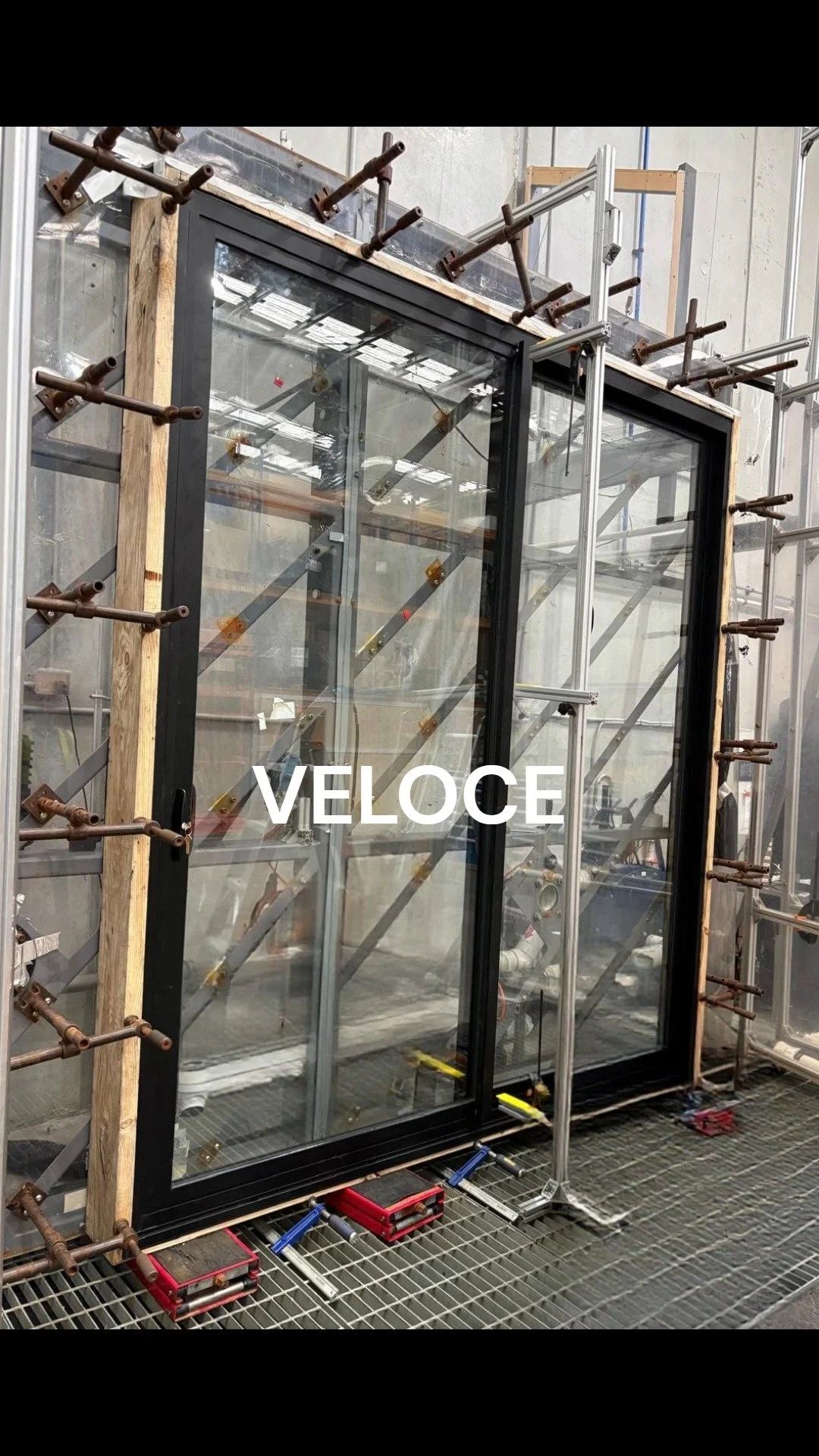
Veloce has encountered stainless-steel rollers operating on aluminium tracks.
The harder roller may survive while the softer aluminium running surface wears or becomes damaged.
Once the track itself is affected, the repair can become much more involved than replacing a roller.